Commercial Kitchen Oil Disposal: The 2026 Professional Compliance Guide
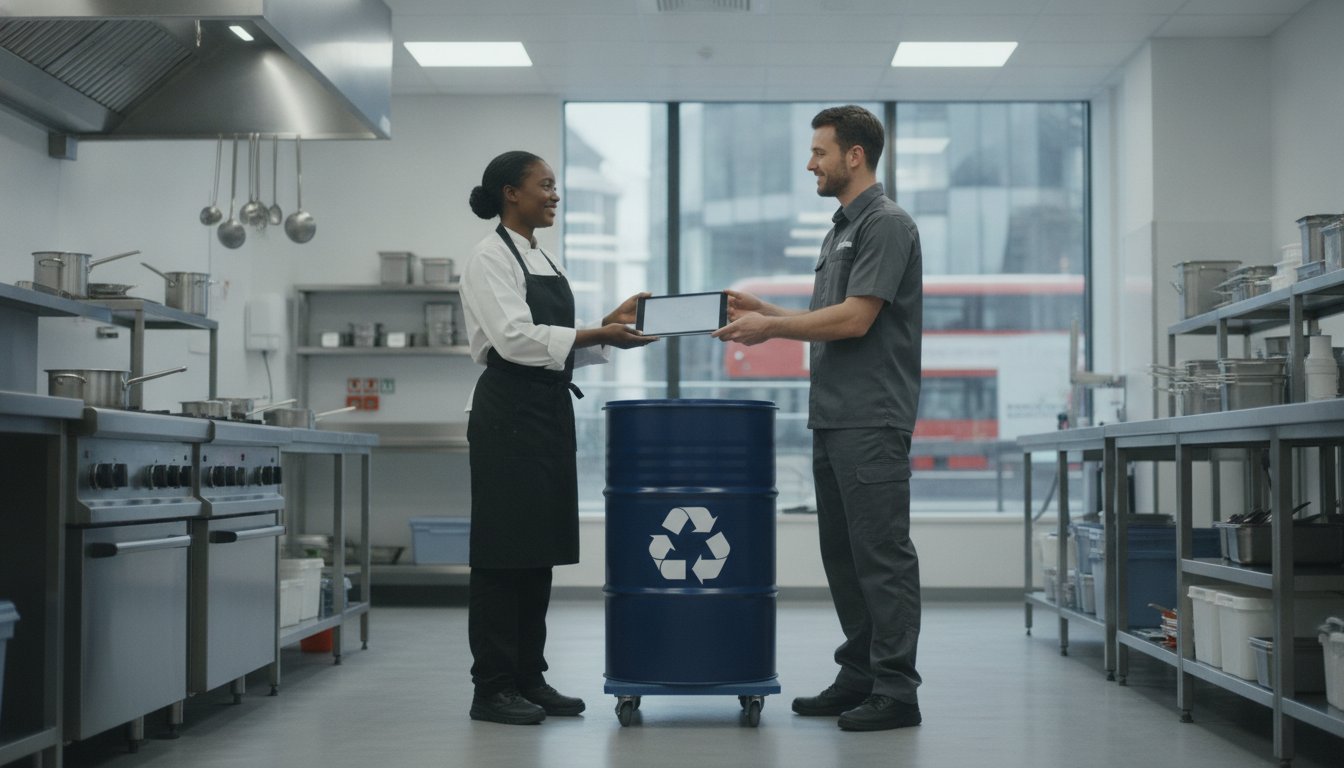
Did you know that improperly managed fats and oils contribute to over 200,000 sewer blockages across the UK every year? For a busy chef or manager, commercial kitchen oil disposal often feels like a losing battle against messy storage areas, foul odours, and the constant threat of an Environment Agency inspection. It's easy to let used cooking oil become a back-of-house nightmare, especially when you're focused on service and staff.
We know that your time is better spent on the pass than worrying about paper records or the new Digital Waste Tracking Regulations starting in October 2026. You want a kitchen that stays clean and a business that stays on the right side of the law without the fear of unlimited fines. This guide simplifies the entire process for you. We'll outline the latest legal requirements, show you how to prevent fatbergs in your drains, and explain how to transform a waste product into a consistent revenue stream for your business.
Key Takeaways
- Stay compliant with the latest UK waste regulations, including the 2026 digital tracking mandates and your legal Duty of Care.
- Optimise your commercial kitchen oil disposal by selecting the correct storage barrels and implementing safe handling protocols for your team.
- Prevent costly drain blockages and fatbergs by managing your kitchen's waste oil according to Environment Agency standards.
- Learn how to convert your used cooking oil into a revenue stream with free collections and immediate cash payments.
- Protect your business with essential Waste Transfer Notes, ensuring every litre of oil is tracked from your kitchen to the recycling centre.
Need a collection?
We collect used cooking oil across London, Kent, Surrey and the Midlands — and pay you cash.
Get a Free Quote