Restaurant Waste Oil Collection: 2026 Guide for UK Kitchens
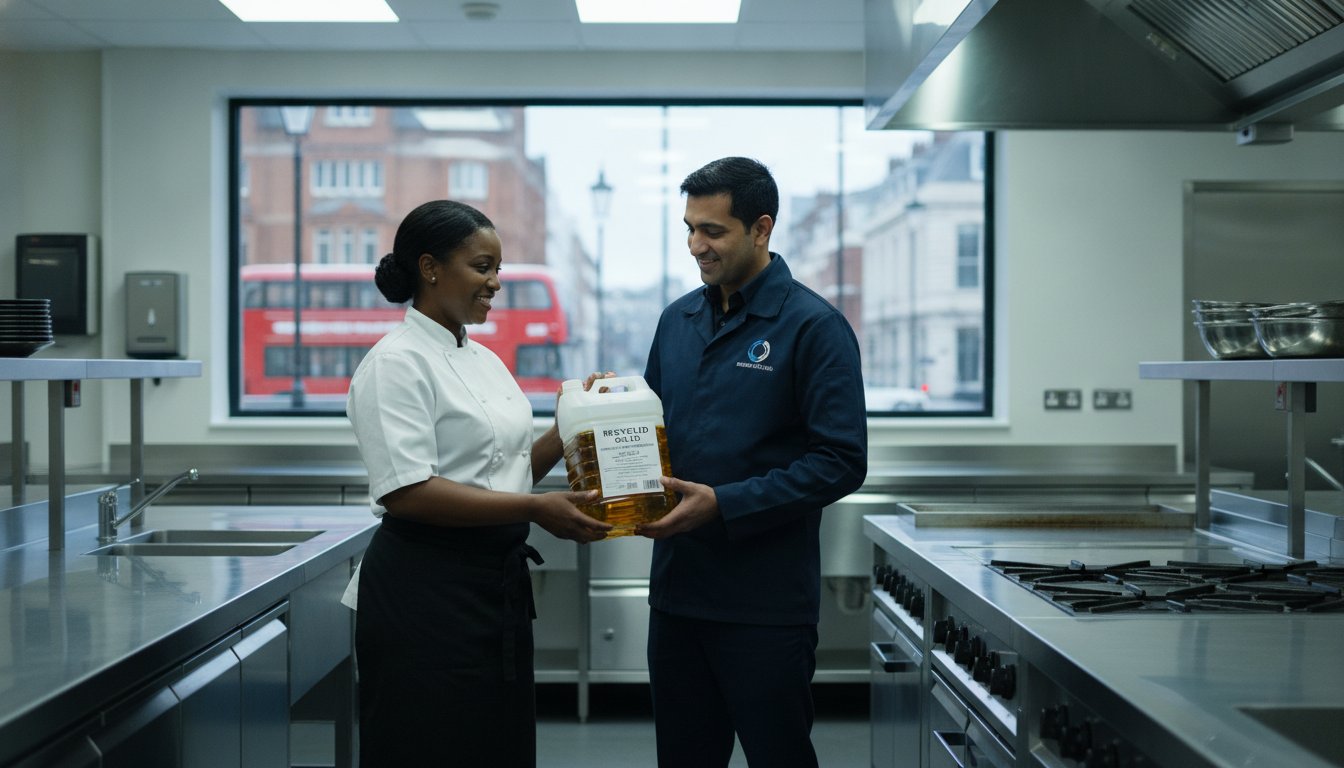
Is your used cooking oil a growing liability or a hidden revenue stream? For most UK kitchens, managing grease is a messy chore that risks drain blockages, kitchen hazards, and the constant threat of Environment Agency fines. With new regulations like the October 2026 digital waste tracking mandate and hourly non-compliance charges of £118, the pressure to get it right has never been higher.
We understand that you're focused on service, not scrubbing out oily storage areas. This guide provides a clear path to professional restaurant waste oil collection that keeps your kitchen clean and your business fully compliant. You'll learn how to navigate the shifting legal landscape whilst turning your used oil into instant cash on the spot.
We will preview the latest "Simpler Recycling" reforms, explain the mandatory Waste Transfer Note process, and show you how to establish a reliable collection schedule that works for your bottom line. It's time to stop worrying about fatbergs and start treating your waste as the valuable resource it actually is.
Key Takeaways
- Identify why professional restaurant waste oil collection is essential for preventing costly "fatbergs" and avoiding £118 hourly non-compliance charges.
- Learn how to secure a mandatory Waste Transfer Note to prove your kitchen meets the latest Environment Agency digital waste tracking standards.
- Follow a simple process for cooling, filtering, and storing oil to keep your kitchen hazard-free and ensure your waste is ready for recycling.
- Find out how to transform a logistical burden into a profit centre by securing immediate cash payments for every litre of oil collected.
- Discover the easiest way to organise a scheduled, free collection service tailored to your restaurant's specific waste volume and location.
Need a collection?
We collect used cooking oil across London, Kent, Surrey and the Midlands — and pay you cash.
Get a Free Quote