How to Reduce Carbon Footprint in Your Restaurant: A Practical 2026 Guide
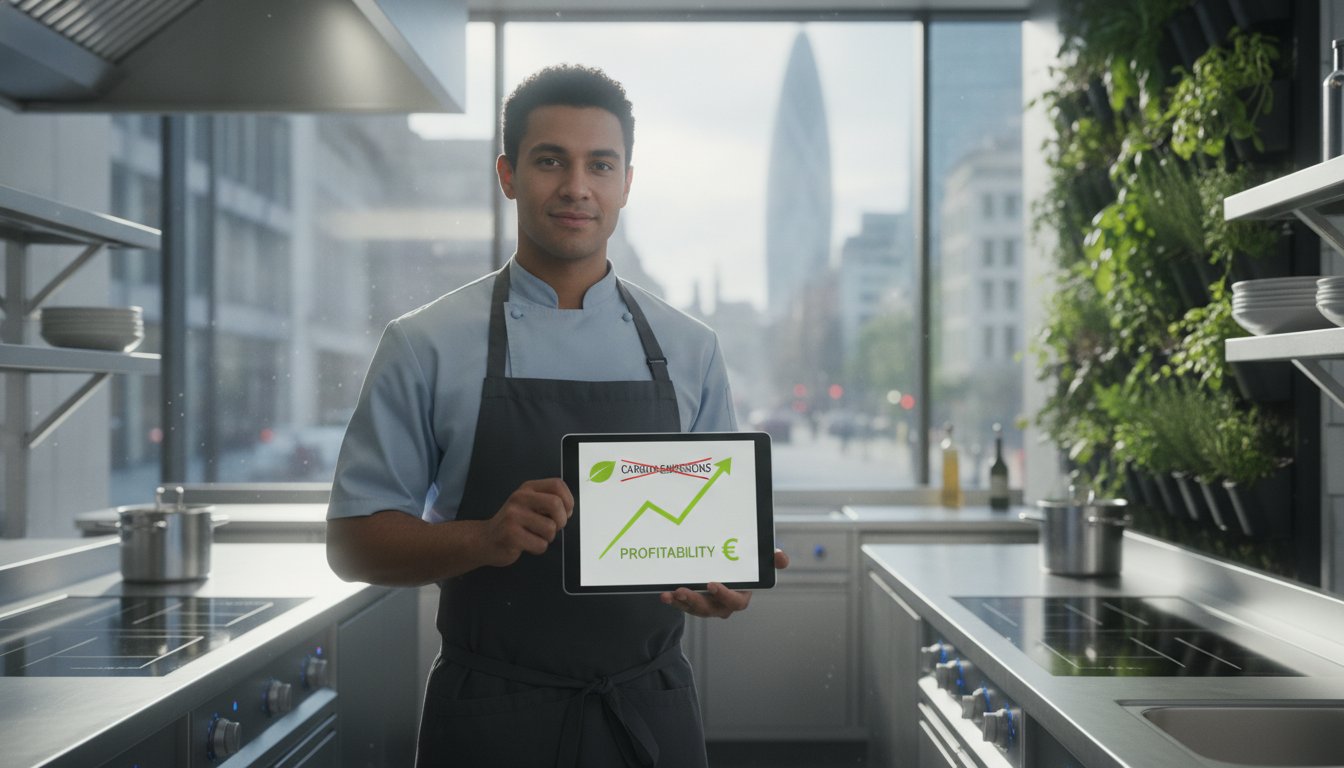
What if your most expensive waste stream was actually an untapped revenue source waiting to be claimed? For any modern business owner, the drive to reduce carbon footprint restaurant operations is often overshadowed by the daily grind of rising energy bills and complex waste regulations. You know that sustainability is no longer optional for your brand reputation, yet the confusion over carbon "Scopes" and legal compliance can make real progress feel like an expensive distraction.
It's a challenging position to be in, but environmental responsibility and healthy profits are actually two sides of the same coin. This guide provides a pragmatic, results-oriented roadmap to slashing your emissions whilst turning your waste management into a streamlined revenue stream. We will break down actionable strategies to optimise your energy consumption, handle mandatory waste transfer notes with zero hassle, and convert your used cooking oil into immediate cash. You will discover how to satisfy customer demand for eco-friendly practices without adding to your workload or your overheads.
Key Takeaways
- Identify where your emissions are concentrated by understanding the differences between Scope 1, 2, and 3 carbon categories.
- Optimise your menu through seasonal sourcing and ingredient swaps to lower the indirect environmental impact of your supply chain.
- Implement "start-up and shut-down" schedules to slash energy waste and effectively reduce carbon footprint restaurant operational costs.
- Transform your waste management into a revenue stream by treating used cooking oil as a valuable asset in the circular economy.
- Ensure full legal compliance and boost your bottom line by securing cash payments and mandatory Waste Transfer Notes for your used oil.
Need a collection?
We collect used cooking oil across London, Kent, Surrey and the Midlands — and pay you cash.
Get a Free Quote