Waste Oil Collection Islington: The Commercial Kitchen Guide 2026
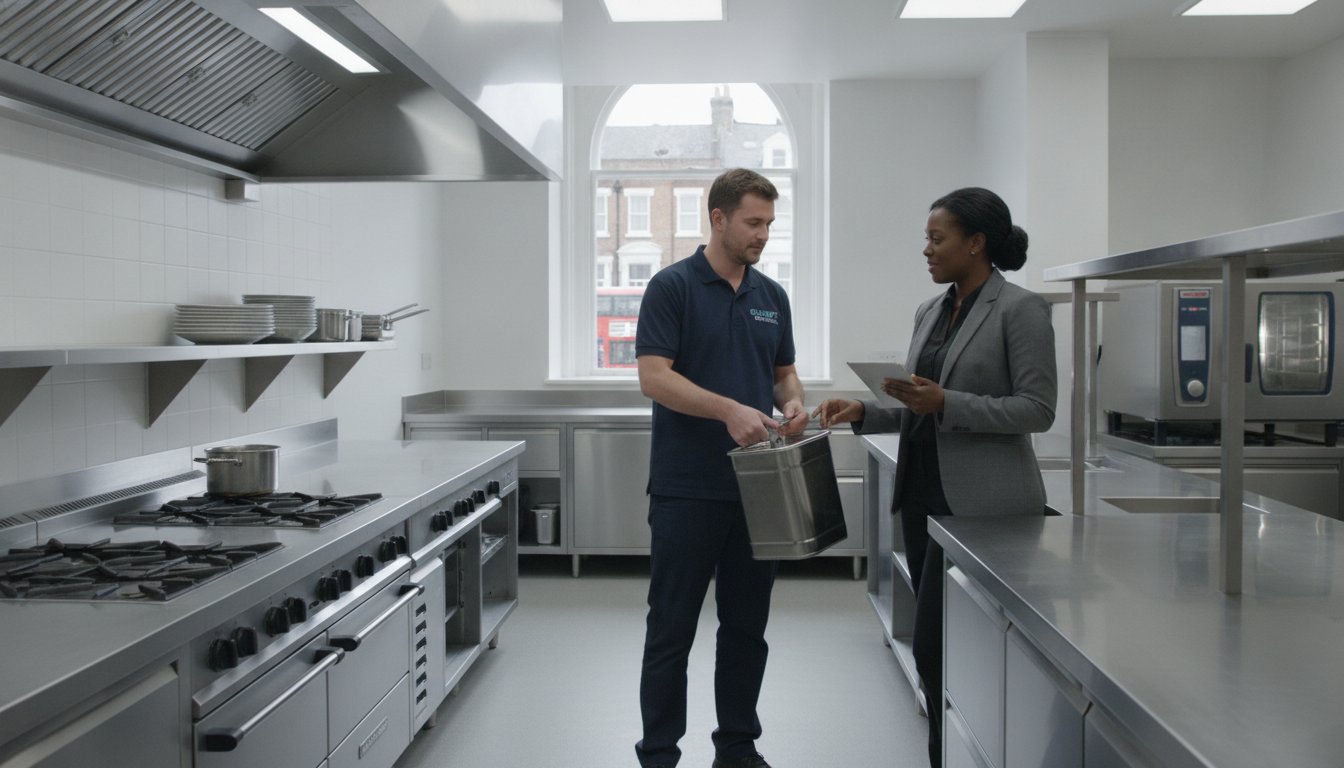
Is your used cooking oil a liability or a hidden asset? For many restaurant owners, it is currently taking up valuable floor space whilst risking a heavy fine from the Environment Agency. You already know the struggle of managing a cramped North London kitchen where every square inch counts. Dealing with unreliable collectors and messy paperwork is a distraction you don't need. This guide shows you how to streamline your waste oil collection Islington process, turning that greasy headache into instant cash whilst hitting every regulatory mark.
With mandatory digital waste tracking arriving in October 2026, the era of messy paper trails is ending. Official data shows that 41% of paper Waste Transfer Notes currently contain errors, leaving businesses vulnerable to prosecution. You need a system that works as fast as your chefs do. We will walk you through the upcoming legal shifts, explain how to secure cash payments for your used oil, and show you how to build a collection schedule that actually sticks. It's time to stop treating your waste as a chore and start managing it as a revenue stream.
Key Takeaways
- Transform your kitchen's used cooking oil into a consistent revenue stream whilst maintaining total legal compliance.
- Secure a reliable waste oil collection Islington schedule to meet the new mandatory digital tracking standards arriving in 2026.
- Compare the benefits of private collection rebates against the logistical hurdles and costs of using council-run disposal centres.
- Implement expert storage techniques to maximise kitchen space and prevent hazardous spills or oil contamination.
- Protect your business from heavy fines by ensuring every collection is backed by a professional Waste Transfer Note.
Need a collection?
We collect used cooking oil across London, Kent, Surrey and the Midlands — and pay you cash.
Get a Free Quote